
There is no typical victim and no single type of modern slavery. It doesn’t always look the same and can be hard to spot.
Signs to look out for
There can be many signs or few; some clues include
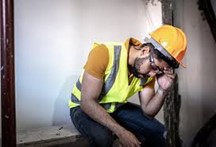
Physical appearance – signs of malnutrition, being frightened or withdrawn, having physical injuries, being unwashed, wearing the same clothes every day.
Few or no personal effects – having few or no personal belongings or documentation, no money, little or no food, and little or unsuitable clothing.
Isolation and control – workers are rarely on their own and appear under the control or influence of others who speak on their behalf, interpret for them, present their documents or take them to and from work.
Reluctance to seek help – workers avoid eye contact, appear afraid to talk, are generally fearful or reject help when offered.
Many exploiters do their best to ensure there are no obvious signs and that their slaves look presentable. Sometimes the clues are in the ‘absence of normal’ instead. For example, if there are signs of a co-worker regularly bathing or shaving at work, or perhaps they never share personal information, never have any weekend plans or appear to have no life outside work.

Where might we encounter victims of modern slavery?
There are many situations in your day-to-day lives where victims of modern slavery may be closer than you realise. Here are just some of the ways you can be vigilant:
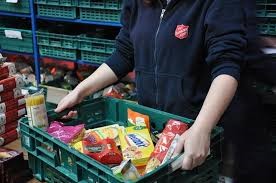
Volunteers working in projects for vulnerable people, such as food banks, community cafes and homeless shelters, should understand the signs to look out for when dealing with service users. It is not uncommon for potential victims to use the support provided by such projects. It is also not unknown for exploiters to ‘recruit’ people where the vulnerable can be found.
People working in cleaning, social care, hospitality agriculture, harvesting and food processing can be alert to warning signs among co-workers such as working very long hours without breaks, not wanting to talk about their lives, and being picked up or dropped off by people who seem intimidating.

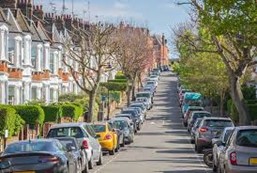
You can be alert to unusual activity in your neighbourhood such as young people making excessive and unexplained outings; comings and goings to a property at all hours of day and night; high levels of condensation on windows and constantly covered/blacked out windows; concerns about delivery drivers and door to door sellers or signs of people living in squalid, overcrowded or unsuitable conditions or on site.
Remember – any one of these day-to-day scenes and events could involve a victim of modern slavery.
 Southwark Against Modern Slavery